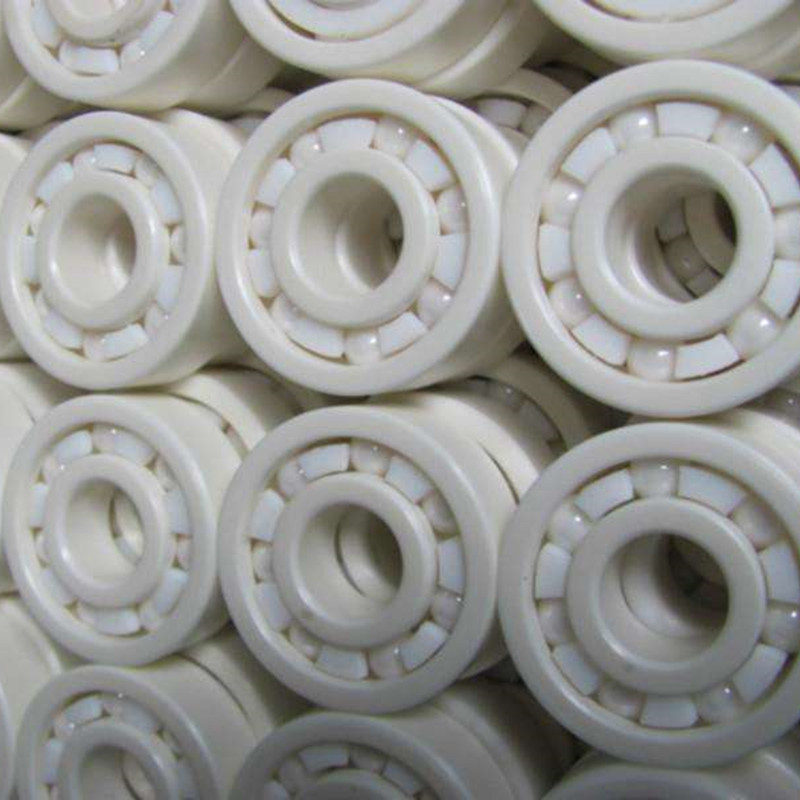
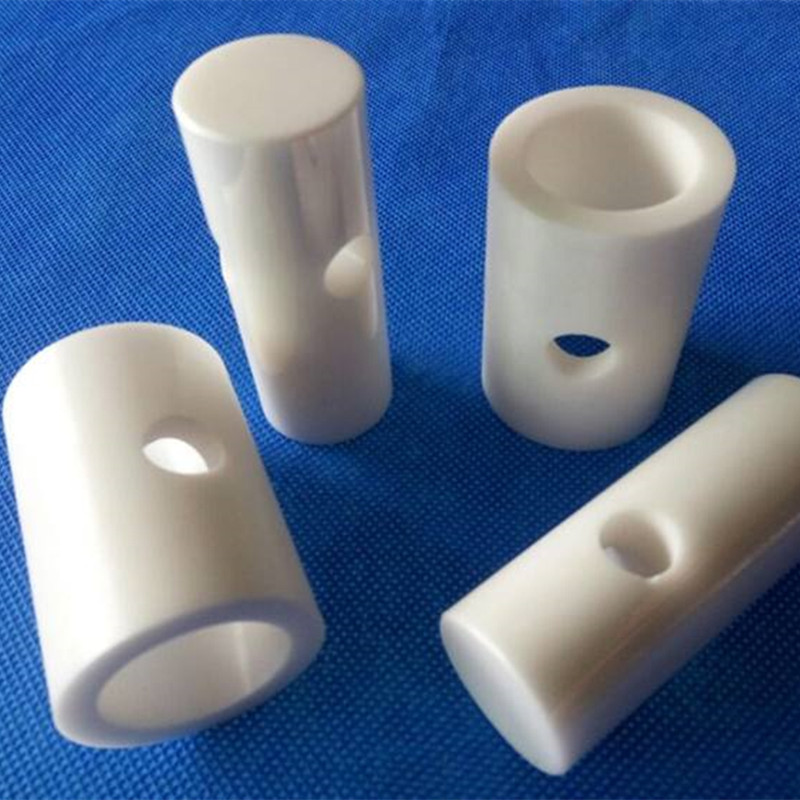
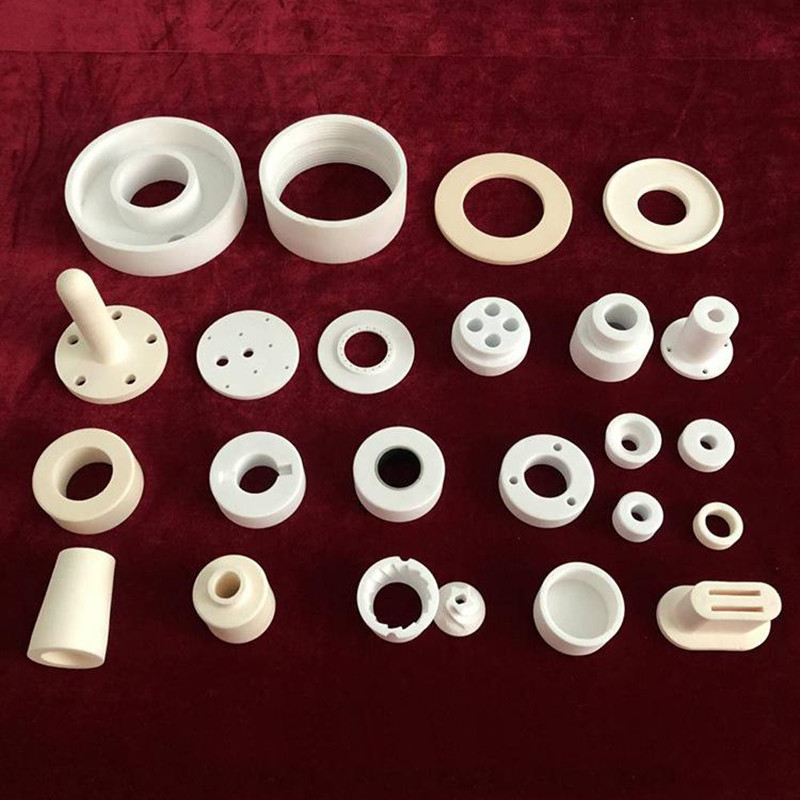
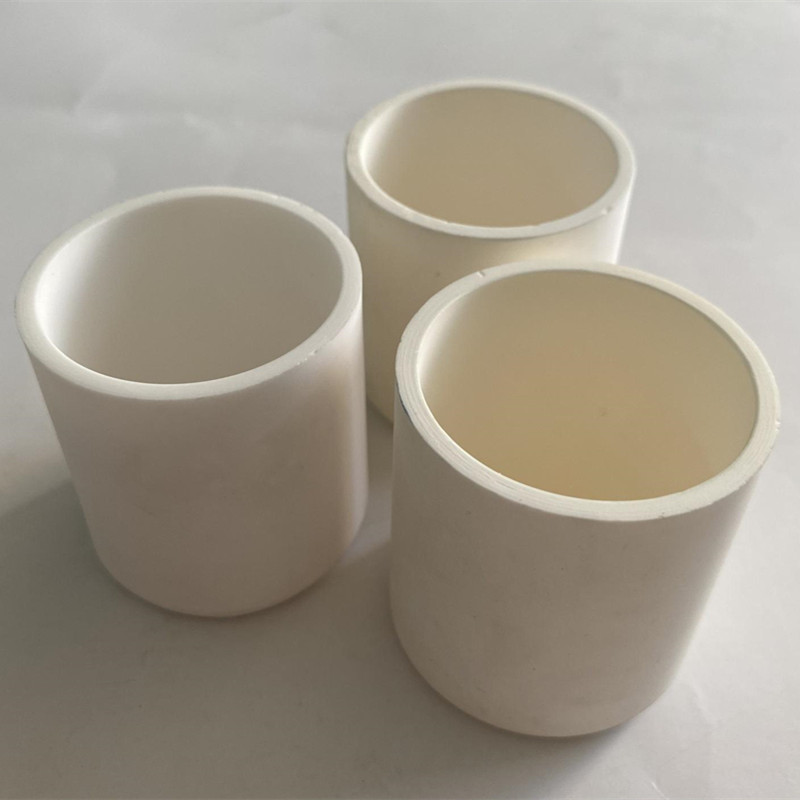
High density - up to 6.1 g/cm^3
High flexural strength and hardness
Excellent fracture toughness - impact resistance
High maximum operating temperature
Wear-resistant
Good friction properties
Electrical insulator
Low thermal conductivity - approx. 10% alumina
Acid and alkali corrosion resistance
Similar to the modulus of elasticity of steel
Similar coefficient of thermal expansion to iron
Frequently Asked Questions
Q1: What are the main advantages of zirconia ceramics?
A1: Zirconia ceramics offer high density, exceptional hardness, fracture toughness, and excellent resistance to wear and thermal conditions.
Q2: Why is zirconia used in structural ceramics?
A2: Its high flexural strength and thermal expansion coefficient, which is similar to steel, make it ideal for structural and wear-resistant applications.
Q3: Can zirconia ceramics be used for high-temperature applications?
A3: Yes, they exhibit high melting points and are used as heating elements, refractory materials, and in induction heating tubes.
Q4: Is zirconia an electrical conductor?
A4: It acts as an electrical insulator at room temperature but demonstrates electrical conductivity at high temperatures.
Q5: Are zirconia ceramics used in decorative fields?
A5: Yes, when combined with coloring elements, it can form translucent, gemstone-like materials used in jewelry and ornaments.
Q6: How does zirconia perform in chemical environments?
A6: Zirconia ceramics demonstrate excellent resistance to both acid and alkali corrosion.