1 / 2
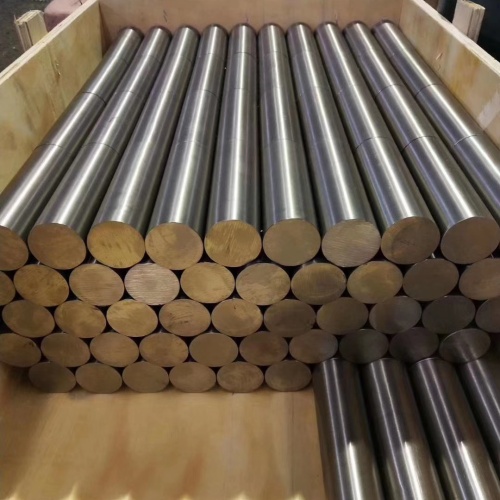
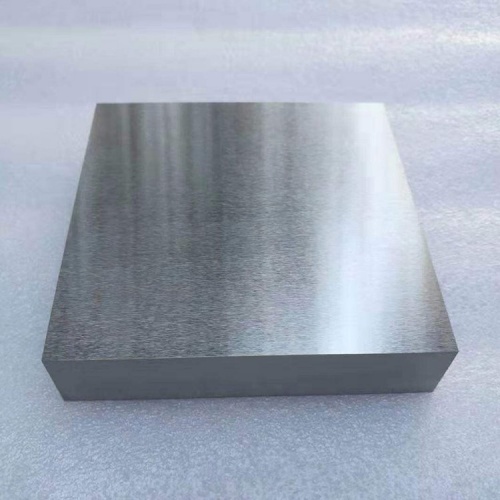
TZM alloy (Titanium-Zirconium-Molybdenum) is a high-performance, molybdenum (Mo)-based alloy enhanced with titanium (Ti), zirconium (Zr), and trace carbon (C). Its unique composition and manufacturing via powder metallurgy or vacuum melting processes grant it superior high-temperature strength, creep resistance, and recrystallization stability compared to pure molybdenum. It is widely used in extreme high-temperature and high-stress environments.
| Form | Size Range | Typical Applications |
|---|---|---|
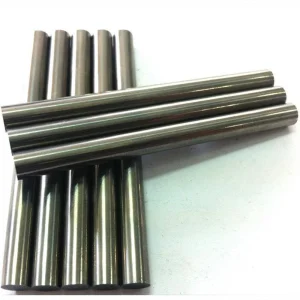
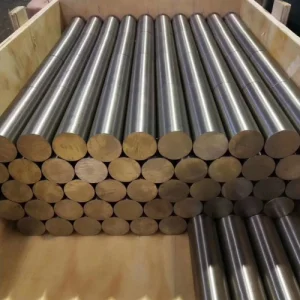
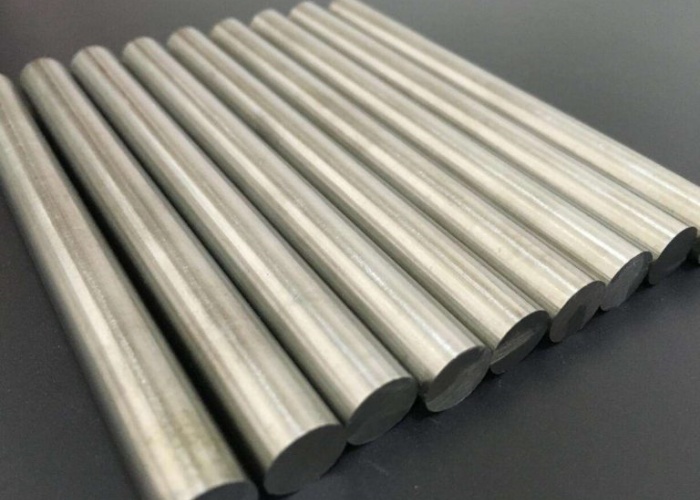
| Rods/Bars | Φ5mm–Φ200mm | Furnace electrodes, fasteners |
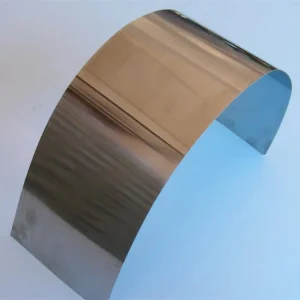
| Plates/Sheets | 0.1mm–50mm | Heat shields, carriers |
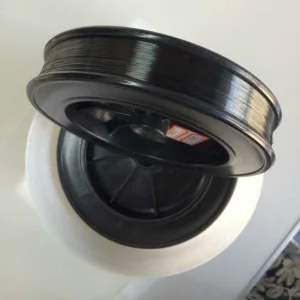
| Wires | Φ0.1mm–Φ5mm | Heating elements, springs |
| Tubes | Φ10mm–Φ150mm | Heat exchangers |
| Custom Parts | Per drawings | Molds, rocket nozzles |
Surface Treatment: Polished, ground, sandblasted, coated | Standards: ASTM B386, ASTM B387, GB/T 3876
| Property | TZM Alloy | Pure Mo | Unit |
|---|---|---|---|
| Density | 10.15–10.22 | 10.2 | g/cm³ |
| Melting Point | ~2620 | 2620 | °C |
| Tensile Strength (RT) | 600–900 | 400–600 | MPa |
| Recrystallization Temp | 1350–1450 | 1100–1200 | °C |
A: TZM provides significantly higher recrystallization temperature and tensile strength due to its Ti, Zr, and C alloying elements.
A: It maintains structural integrity well above 1400°C depending on the application environment.
A: While harder than steel, it is more processable than pure molybdenum and can be shaped via CNC/EDM methods.
A: Yes, it shows excellent resistance to molten zinc and glass, making it ideal for die-casting molds.
A: Yes, we support machined parts based on specific customer drawings and technical requirements.